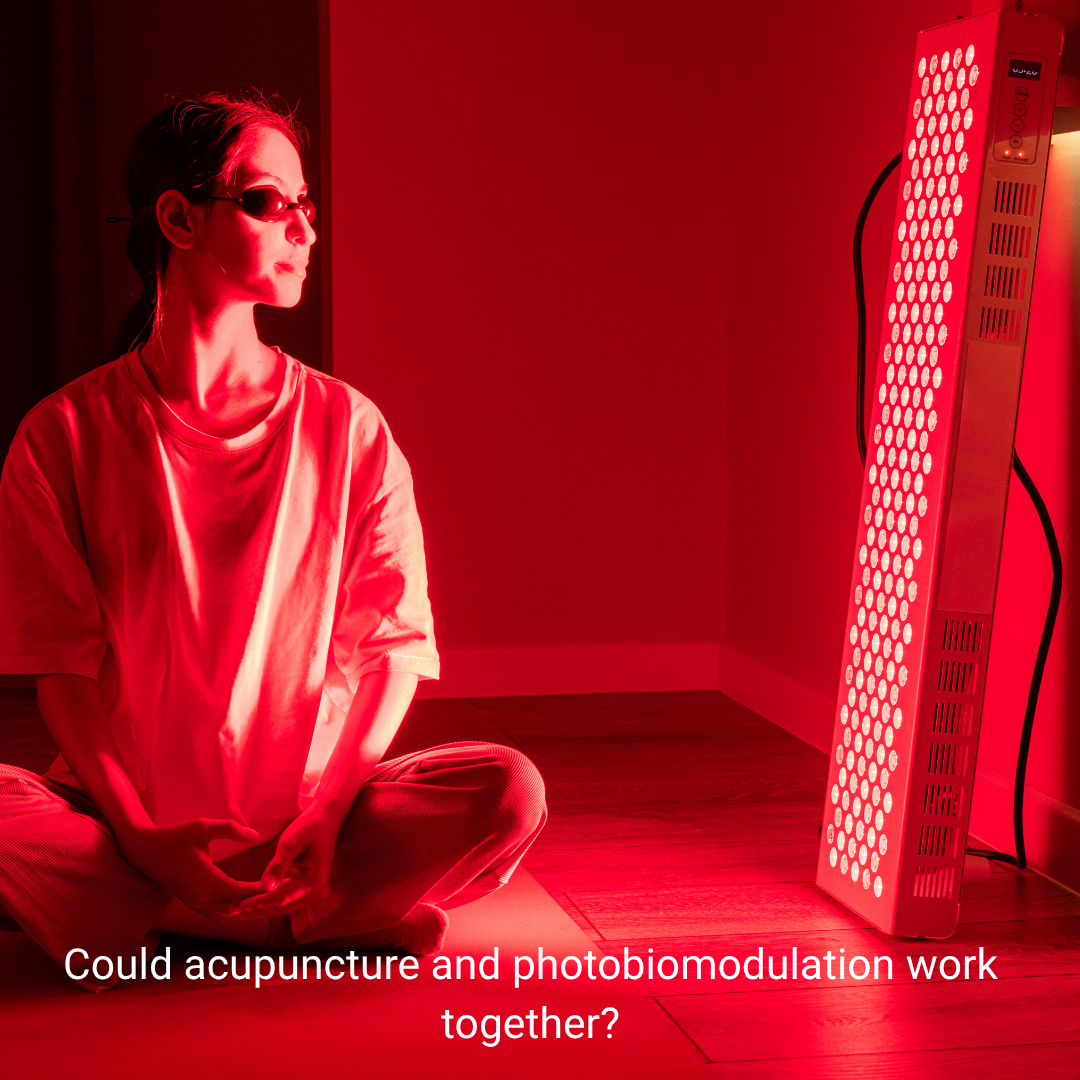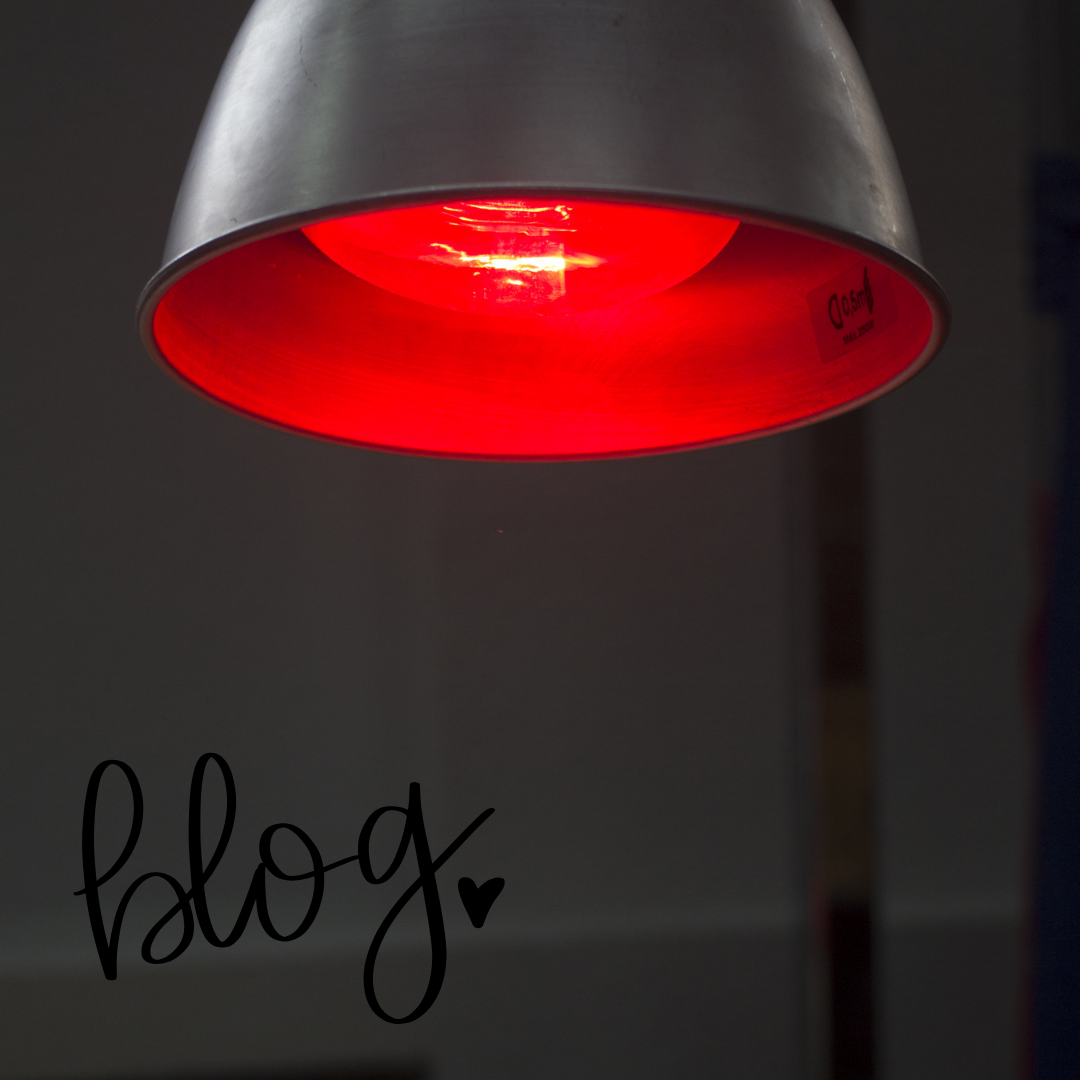
TDP lamps are a form of infrared heat therapy used by acupuncture practitioners as an adjunct to treatment. Also known as TDP mineral lamps, they provide localised heat and are often incorporated into acupuncture treatments where warmth is considered appropriate.
For practitioners interested in expanding their clinical toolkit, TDP lamps offer another way of incorporating controlled heat into treatment, with applications ranging from supporting relaxation and comfort to complementing approaches for muscular tension and stiffness.
But what makes a TDP lamp different from other forms of heat therapy, and what should practitioners consider when using one in clinical practice?
What is a TDP lamp?
A TDP lamp is a specialised electromagnetic heat lamp that uses an electrically heated mineral plate to produce infrared radiation.
The mineral plate is one of the distinctive features of a TDP lamp. TDP devices are traditionally described as using a formulation containing multiple minerals, with the heated plate producing a particular range of electromagnetic radiation.
There are various explanations within TDP therapy about how the mineral plate and infrared radiation interact with the body. These include proposed effects on local circulation, tissue processes and metabolism.
For clinical practice, however, the most straightforward way to understand a TDP lamp is as a controlled source of localised heat that can be incorporated into an appropriate treatment.
Using TDP alongside acupuncture
TDP lamps are generally used as an adjunct to acupuncture rather than as a replacement for it.
A practitioner may position the lamp over an appropriate area while acupuncture needles are in place, providing gentle warmth during treatment. Depending on the treatment approach, the lamp may also be used before or after needling.
The warmth can be particularly useful where a patient responds well to heat or where the practitioner wishes to incorporate a warming element into treatment.
From a traditional Chinese medicine perspective, warmth may also form part of a treatment strategy where supporting Yang or warming an area is considered appropriate.
As with any adjunctive treatment, the decision to use a TDP lamp should be based on the individual presentation, treatment aims and relevant contraindications.
What can TDP heat therapy be used for?
TDP lamps may have a place in a range of treatment settings where controlled localised heat is appropriate.
Supporting relaxation
The gentle warmth produced by a TDP lamp can contribute to a comfortable and relaxing treatment environment.
Muscular tension and stiffness
Heat is commonly used to support relaxation of muscles and may be incorporated alongside acupuncture where muscular tension or stiffness is part of the presentation.
Local circulation
The application of heat can increase local blood flow. This is one of the physiological effects practitioners may consider when deciding whether localised heat is appropriate.
Complementing an acupuncture treatment
For practitioners who use TDP lamps, the device provides another therapeutic option that can be incorporated alongside acupuncture and other appropriate treatment techniques.
The aim is not simply to make the treatment area as hot as possible. Controlled and comfortable heat is the priority.
Understanding the traditional TDP approach
TDP lamps have a distinctive place within traditional approaches to heat therapy.
The mineral plate and the specific electromagnetic spectrum produced by the heated plate are central to the traditional explanation of how TDP lamps work. Within some teaching approaches, the lamp is also discussed in terms of its ability to introduce warmth and Yang energy into the treatment area.
Practitioners should distinguish these traditional concepts from biomedical explanations and communicate appropriately with patients about the nature of the treatment.
Why training matters
Although TDP lamps are relatively straightforward to operate, they generate significant heat and should be treated as clinical equipment.
The main safety concern is excessive heat and the potential for burns. The risk can be increased if the lamp is positioned too close to the skin, used for too long, or used with a patient who has reduced sensation.
Distance, exposure time and patient feedback all matter.
Practitioners should monitor the patient throughout treatment and encourage them to report any sensation of excessive heat immediately.
If a patient reports that the lamp feels too hot, the distance should be increased immediately. If the skin becomes noticeably pink or red, treatment should be stopped and the area assessed.
Patient assessment and contraindications
As with any treatment modality, patient selection is important.
Particular caution is required for patients with:
- Reduced or absent skin sensation.
- Neuropathy.
- Impaired circulation or severe peripheral vascular disease.
- Fragile or thin skin.
- Diabetes, particularly where sensation or circulation is affected.
- Open wounds or broken skin.
- Active bleeding.
- Acute inflammation accompanied by redness and heat.
- Fever.
- Recent injury.
- Malignant tumours or areas of recent radiotherapy.
- Implanted electronic devices or other relevant medical devices.
- Pregnancy, where specific areas should be avoided.
Additional consideration may be required for patients taking anticoagulants or steroid medication, those with varicose veins, artificial limbs or other conditions that may affect their response to heat.
This is not an exhaustive list. Practitioners should always refer to the manufacturer’s instructions for their particular device and carry out an appropriate individual assessment.
Safe use in practice
Good TDP practice includes more than simply positioning the lamp and switching it on.
Practitioners should:
- Follow the manufacturer’s instructions for the specific device.
- Use the recommended operating distance.
- Monitor the patient and treatment area throughout exposure.
- Never leave the patient unattended.
- Ensure the lamp is stable and securely positioned.
- Keep the device away from water and flammable materials.
- Avoid using the device where oxygen is being administered.
- Avoid applying oils, lotions or creams immediately before treatment where these could increase the risk of burns.
- Never touch or move the lamp while the lamp head is hot.
- Allow the device to cool before moving or storing it.
The manufacturer’s instructions should always take precedence, as operating specifications can vary between devices.
Developing your TDP lamp skills with the AAC
For practitioners interested in developing their knowledge and practical understanding of TDP lamps, there is a dedicated TDP Lamp Course.
The course covers the use of TDP lamps in clinical practice, including their applications, contraindications, hazards and important safety considerations.
JAMA members can access information about the course and associated learning resources through their online member account.
Practitioners who successfully complete the course can also obtain a certificate as a record of their completion.
The course provides an opportunity to develop your knowledge of TDP lamps and consider how this form of heat therapy might complement your existing acupuncture practice.
As part of our commitment to ongoing professional development, JAMA provides members with access to a range of educational opportunities designed to support practitioners throughout their careers.
This article is intended for professional education and general information. It does not replace the manufacturer’s instructions, appropriate training, individual patient assessment or medical advice. Practitioners should ensure that the use of any TDP lamp is appropriate to their professional scope of practice and the requirements applicable to their equipment and clinical setting.