
Spring Sneezes & Herbal Teas: A Chinese Medicine Approach to Hayfever with Local Plants

Ah, hayfever season — the time of year when flowers bloom, bees buzz, and many of us can’t stop sneezing. For those with seasonal allergies, spring can feel like a foggy blur of itchy eyes, runny noses, and antihistamine fatigue. But as practitioners of Chinese Herbal Medicine, we have a whole toolkit of ways to support ourselves, our families, and our patients — not only from ancient texts, but also from the hedgerows and gardens right outside our doors.

Chinese Herbal Medicine (CHM) is strongly evidenced to improve hayfever symptoms and strengthen the immune system by modulating inflammatory responses, balancing the immune system, and supporting respiratory health.
Here are a few key studies to explore if you’re curious:

In the UK, we’re also blessed with a landscape full of healing plants — many of which have natural antihistamine and anti-inflammatory properties. Combining our understanding of Chinese energetics with local herbs adds a rich and sustainable layer to our practice. Below are a few of my favourites to forage, brew, and recommend this season.


The Chinese Medicine View of Hayfever

In Chinese Medicine, hayfever is typically seen as an invasion of Wind — often Wind-Heat or Wind-Cold — affecting the Lung system and Wei Qi (defensive energy). A weakened Spleen or Lung Qi can also make someone more susceptible to seasonal triggers, while lingering Damp or Phlegm can contribute to congestion and sinus symptoms.

Common formulas we might turn to include:

  • Cang Er Zi San – for nasal congestion and sinus pain
  • Yu Ping Feng San – to strengthen Wei Qi and prevent recurrence
  • Xiao Feng San – if itching and skin symptoms are present

But when we add local herbs into the mix, especially ones we can grow or harvest ourselves, we deepen the relationship between people, plants, and place.


UK Herbs You Can Forage for Hayfever — with TCM Wisdom

Here are six fantastic UK herbs you can forage or grow to support hayfever symptoms — each with their own energetic properties and uses in both Western herbalism and Chinese medicine.


🌿 Nettle (Urtica dioica)

Western use: Natural antihistamine, anti-inflammatory, supports the respiratory system.
TCM energetics: Cooling, slightly drying, moves Blood, resolves Wind-Heat, supports Wei Qi.
Immunity impact: Nourishes Qi and Blood, helps clear allergic inflammation.
Tea tip: Pick fresh young leaves (wear gloves!), rinse, and steep 1 tablespoon per cup in hot water for 10–15 minutes.

✨ Fun fact: The Romans used to stuff nettles in their armour to warm the skin, relieve pain, and fight inflammation — it was their version of a mobile pharmacy!


🌿 Broadleaf Plantain (Plantago major)

Western use: Soothes mucous membranes, anti-catarrhal, supports tissue repair.
TCM energetics: Cooling, detoxifying, clears Heat, transforms Phlegm.
Immunity impact: Useful for Lung Heat and mucous congestion.
Tea tip: Steep 1 tsp dried or 1 tbsp fresh leaf in hot water, cover, and infuse 10 minutes.


🌿 Baikal Skullcap (Scutellaria baicalensis)

Western use: Potent antihistamine and anti-inflammatory.
TCM energetics: Cold, clears Heat and Damp-Heat from the Lungs and intestines, calms irritability.
Immunity impact: Supports Lung health, cools allergic Heat.
Tea tip: Use dried root slices — decoct gently for 20 minutes. Or use powdered extract in blends.


🌿 Eyebright (Euphrasia officinalis)

Western use: Reduces eye inflammation and nasal discharge.
TCM energetics: Slightly bitter and cooling, clears Liver Heat, astringes fluids.
Immunity impact: Soothes red, itchy eyes and supports upper respiratory tract.
Tea tip: Infuse dried herb and drink or use cooled tea as a compress for irritated eyes.


🌿 Licorice Root (Glycyrrhiza glabra)

Western use: Soothes sore throats, modulates immune response, anti-inflammatory.
TCM energetics: Sweet, neutral or slightly warm, tonifies Qi, harmonizes other herbs, clears Heat and toxicity.
Immunity impact: Supports Spleen and Lung Qi, reduces allergic inflammation.
Tea tip: Add a slice or a pinch of root to your blends — it makes everything taste smoother.


🌸 Elderflower (Sambucus nigra)

Western use: Diaphoretic, anti-catarrhal, supports immune response.
TCM energetics: Light and pungent, promotes sweating, releases Wind-Heat.
Immunity impact: Clears nasal congestion, supports Wei Qi in early stages of invasion.
Tea tip: Combine elderflower, nettle, and plantain for a gentle, aromatic allergy-relief tea.


How to Make a Herbal Tea (Infusion)

Here’s a simple recipe format to share with patients or use at home:

Basic ratio:

  • 1 tsp dried or 1 tbsp fresh herb per cup of boiling water
  • Cover and steep 10–15 minutes
  • Strain and sip 2–3 times per day during hayfever flare-ups

Optional: Add a teaspoon of local honey once the tea has cooled slightly — not only for taste, but for its own allergy-soothing properties.


Foraging with Care: Ethical and Safe Harvesting

It’s a gift to be able to pick medicine from your local hedgerows — but with that comes responsibility.

  • Only take what you need (leave plenty for pollinators and the plant’s health).
  • Avoid foraging from roadsides or sprayed areas.
  • Use a plant ID guide or app like PlantNet or Seek to stay safe.
  • If you’re harvesting roots or bark, make sure it’s from your own land or with permission.

Personal Reflections

Learning about the benefits of what many only think of as weeds has given me a new respect and appreciation for them. I love growing these herbs in my garden now — and so do my chickens! Watching them scratch around the nettles and plantain feels like a shared ritual of seasonal care.


Your Turn — Let’s Share Herbal Wisdom

Do you use any local herbs to support yourself or your patients during hayfever season?
We’d love to hear about it! Come and join the conversation in the Herbal Advisory Group Facebook group if you haven’t already — it’s a lovely space to swap clinical tips, formulas, foraging stories, and herbal inspiration.

Share:

Facebook
Twitter
Pinterest
LinkedIn

Leave a Comment

Your email address will not be published. Required fields are marked *

On Key

Related Posts

Webinar -17th May 10AM – Making tax digital for practitioners and your legal requirements with the new legislation

We are holding a webinar on making tax digital for practitioners and your legal requirements with the new legislation. We will be discussing the following – So put this in the diary for the 17th May at 10.00AM which will be recorded. The link for this is in the recent April Newsletter. The content will cover the following : • What Making Tax Digital (MTD) actually is in simple terms • Why it’s being introduced and what HMRC are trying to achieve • What the legal requirements are under MTD • Who needs to comply • What HMRC expects from you • What you need to do in practice • Keeping digital records • Using software • Submitting information to HMRC • When this applies to you • Key dates and thresholds • How and when MTD is being phased in • What this means day-to-day • How it changes the way you keep records • How it affects your interaction with your accountant • Common concerns and misconceptions • Practical steps you can take now to prepare • Q and A

New Red Light Cosmetic Unit – Preorder before 28th April

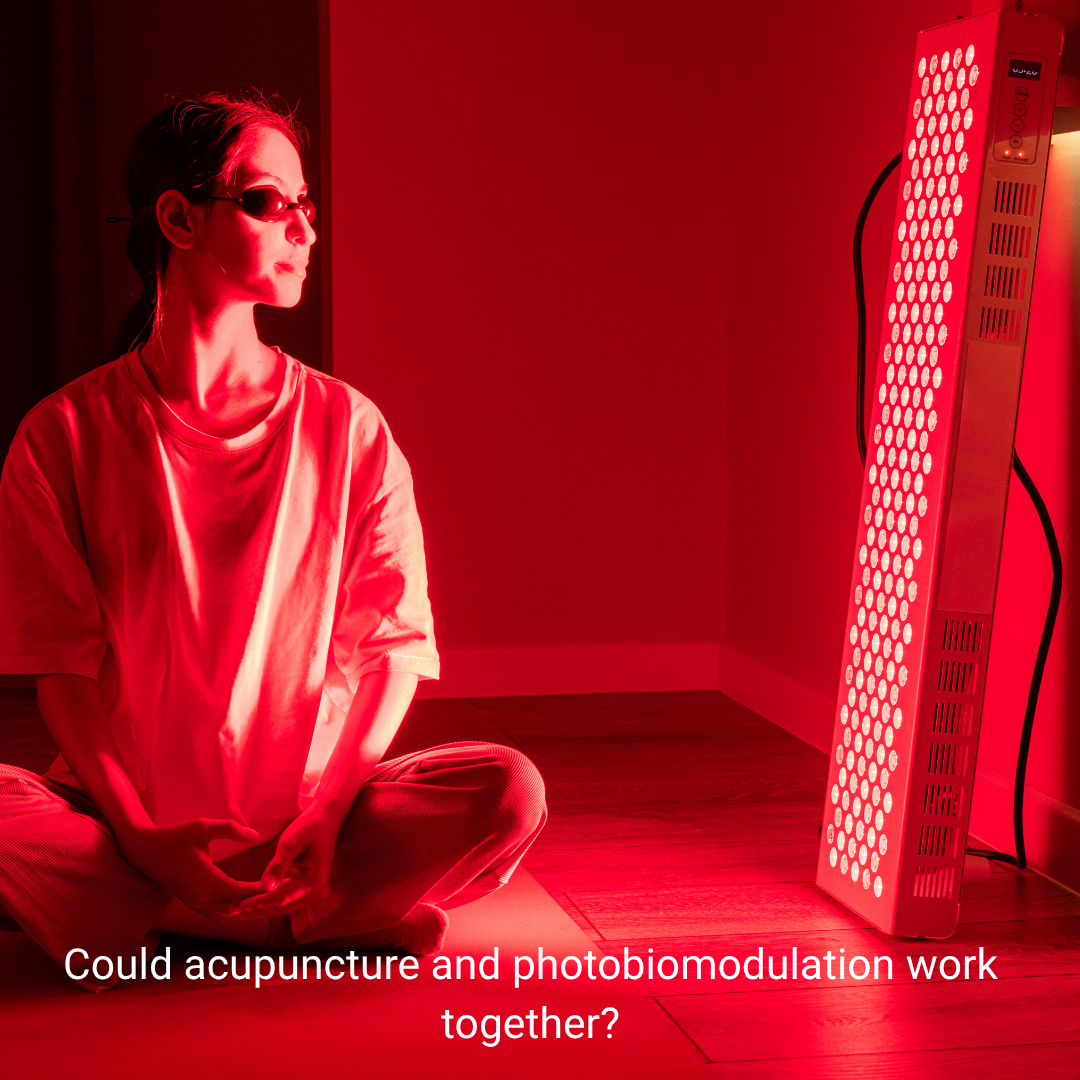
Offer a new income stream to your clinic at a truly trade price for a world class machine Lots of you have asked on courses or emails for recommendations for cosmetic red and blue light therapy masks or machines. Dermalux and Celluma are the two leading brands but not cheap. Currently any device on the market less than £1200 is not going to have the right frequencies or the power to be high enough to work on a professional level. After trying to gain discounts for our members and after much research we decided to have our own made. We are now launching the new Infra Red Flex machine with a pre-order service allowing us to place a large bulk order to the supplier which will provide our members with a huge discount. We have developed this machine with a number of specialist advisors and testers and to challenge the Dermalux Flex which currently sits at £2160! As you know we are a totally non-profit and we have managed to obtain truly trade pricing. We believe our unit is an improvement upon the current Dermalux Flex and offers deeper blue light penetration for acne and bacterial infections, the standard two infra red wave lengths used by all red light manufacturers for skin and collagen stimulation as well as an additional red light wave length to stimulate mitochondrial function and help with wound healing. We have also made the unit with three function choices allowing red light, blue light or both at the same time which many units cannot do. The unit has a special wipe down surface and is fully flexible and so can be used for neck, face, over legs, arms and body, but also we have designed this so it can also be lay flat over an area such as the back or hung up vertically. With a better range and depth of wavelengths we also need to match the Jules energy output of professional clinical machines which our unit does. Unlike the weaker home grade machines the Infrared Flex unit provides powerful professional clinical treatments in 20 minutes. This offers a great add on to treatments as well as a new income stream to your clinic for stand alone offerings. It can be used over acupuncture needles and on top of other treatments. We have started with a blank piece of paper and put down our ideal machine which is now available at a truly trade price. Resistant to liquids and with a remote control, cushion, eyesight goggles and stands you have everything to begin. These are likely to retail at £1050 but if we can place an initial bulk pre-order we can access reduced pricing of only £790. This has been two years in the design and making of the unit and clients in trials have seen impressive results already. It is fully accepted by Balens insurance and under our affinity scheme. These are available for purchase here. We will be running a free in person course and also an online course for these units and provide full in depth manuals and information as well as a list of protocols for use with your clients. You need to order before 28th April as this will be the closing date for pre-orders. We then expect delivery to us within four weeks from this time.

A Standout Day for the Profession – AAC/ARA Conference 2026

The AAC/ARA Conference at UCL was more than just a date in the calendar — it marked a real coming together of the acupuncture community. With attendees joining us from across the UK, Europe and further afield, the day created a space where ideas, experience and clinical insight could be shared openly. There was a real sense throughout the event that something meaningful was happening — not just in the lecture theatre, but in the conversations in between. Our speaker programme reflected the depth and diversity of the profession. We were proud to host Gerad Kite, Claire Hurst, Prof Tianjun Wang, Dr Liuzhong Ye, Katie O’Connell, Katie Ward, Jamie Hedger, John Millar, Dr Passang Thopchen, Jidong Wu, Chris Davies and Dr Martin Fitzgerald, each bringing their own perspective and expertise to the day. The practical workshops added another dimension, giving delegates the opportunity to engage directly with techniques and approaches ranging from auriculotherapy and laser acupuncture to qigong, microbiome testing and more advanced clinical applications. These sessions were lively, interactive, and very well received. Our exhibition space also played a key role in the day, and we are hugely grateful to all of our exhibitors and partners who contributed — including those who helped make the delegate goodie bags such a success. Packed with samples, products and information, they were a real highlight for many attendees. As the formal programme came to a close, the wine reception provided the perfect setting to continue discussions, reconnect with colleagues, and build new professional relationships in a relaxed environment — something that felt particularly valuable after such a full and engaging day. The feedback we’ve received since has been extremely positive, with many highlighting not just the quality of the content, but the overall feel of the event — collaborative, forward-thinking, and genuinely supportive. Photos from the day are now available across our social media platforms, capturing just a snapshot of what was a memorable and important event. Thank you to everyone who attended, contributed and supported the conference. Events like this are a reminder of what can be achieved when the profession comes together with a shared purpose.

Blood Donation and Acupuncture: A Current Update

Message from Chris Davies CEO The current NHS Blood and Transplant position is that anyone who has received acupuncture must wait four months before donating blood. This waiting period was originally introduced to allow sufficient time for any blood-borne viruses to become detectable through post-donation screening. This policy was put in place many years ago following a serious incident involving the re-use of acupuncture needles that had not been adequately sterilised. While appropriate at the time, this position has remained unchanged despite the fact that acupuncture practice, regulation, and infection control standards in the UK have evolved significantly since then. Modern acupuncture practice uses single-use, sterile needles as standard, alongside stringent hygiene, health, and safety procedures supported by robust professional training. As a result, the risk associated with acupuncture is now among the lowest of all invasive procedures carried out in the UK. We have been committed to pursuing this issue fully and persistently. This was not a short-term engagement, but a sustained process of escalation, evidence-building, and negotiation. The work in this area was always undertaken not only for its own members, but for the profession as a whole. The AAC has a long-standing record of actively advocating for practitioners and its members and has collaborated in the past with other organisations towards mutual aims, including successfully securing permission for acupuncture services to remain open throughout all COVID lockdowns. This same commitment has underpinned our approach to blood donation policy. For the past six years, the AAC has been actively involved in challenging the four-month deferral period. This has included engaging legal counsel, responding to repeated procedural barriers, and pressing for review at every appropriate level, even where progress was slow or repeatedly delayed. Key milestones in this process include: 2019: Following extensive discussions, NHS Blood and Transplant confirmed its support for removing the four-month waiting period for acupuncture. 2020: Successfully argued for, and passed, a formal medical review of acupuncture procedures and infection control standards in the UK. 2022: Agreement was obtained from JPAC (the Joint United Kingdom Blood Transfusion and Tissue Transplantation Services Professional Advisory Committee), which is responsible for advising on donor selection and safety. 2023: Agreement was secured from SaBTO (the Advisory Committee on the Safety of Blood, Tissues and Organs) to allow exemption from the waiting period for patients treated by practitioners registered with recognised acupuncture organisations. 2023: Agreement was reached in principle to abolish the four-month waiting period. 2024: Support for the revised position was confirmed by the Department of Health and Social Care (DHSC) and the Medicines and Healthcare products Regulatory Agency (MHRA). DHSC agreed to develop final recommendations for approval in consultation with the devolved health administrations. 2024: The devolved health administrations of all four UK nations were formally consulted and given the opportunity to raise objections. 2025: No objections were received from any of the four nations’ health departments. 2026: A proposed timeline has been agreed, with implementation of the revised guidelines expected by the end of Spring 2026. While timelines can be subject to delay, the most significant and complex work has now been completed. The key thing is an Agreement has been reached across multiple departments of health and all four devolved administrations. This represents a major shift and places the profession in a strong position as the final stages of implementation proceed. The AAC would like to acknowledge Tony Dickenson of BAWMA, who secured the initial agreement from NHS Blood and Transplant, along with all members of the AAC and ARA team and external legal advisors who have contributed to this bringing this to fruition. Although the milestones above appear concise, progress has been achieved through sustained, detailed, and often demanding engagement, including regular strategic meetings, legal consultation, and continued escalation where earlier efforts had stalled. Every possible avenue was explored, and pressure applied where necessary, to overcome repeated delays, unanswered correspondence, and assertions that change was impossible due to legislation. This outcome reflects what can be achieved through persistence, collaboration, and a clear commitment to advancing the profession in the interests of both practitioners and the public. What This Means in Practice for Practitioners and Patients Once the revised guidelines are implemented, patients who have received acupuncture from practitioners registered with recognised professional acupuncture organisations will no longer be subject to an automatic four-month deferral period when donating blood. This brings blood donation policy into alignment with modern acupuncture practice and current infection control standards. For practitioners, this represents formal recognition of the safety, professionalism, and regulatory standards upheld across the profession. It also removes an outdated barrier that has long affected patient confidence and public perception. For patients, it means greater clarity and fairness. Receiving acupuncture will no longer unnecessarily exclude otherwise eligible donors from giving blood, supporting both individual choice and the wider needs of the NHS blood supply. The AAC will continue to keep members informed as final guidance is issued and implementation progresses. I first took on this issue in 2020 and, after several years of work, we are now very close to achieving the outcome we have been aiming for. It has been a complex process, but it is something our members have consistently asked us to address. Throughout this time, AAC has remained committed to engaging proactively and working through the appropriate channels to help move the issue forward. While it would have been possible to seek an exemption for AAC alone, we felt it was important to pursue a solution that benefits the wider profession rather than just one organisation. Our aim has always been to see the rule itself reviewed so that the outcome is fairer for all acupuncturists. We will continue supporting the final stages of the rollout and advocating for the removal of the waiting period so the full benefits of these changes can be realised. Thank you to everyone who has supported this work and continued to raise the importance of the issue.

The January Rhythm: Supporting Acupuncturists Through Every Season of Practice

As we move towards the end of January, many acupuncture clinics begin to notice a shift in pace. For some practitioners, the diary has softened after the Christmas rush as patients rein in spending and gently ease themselves back into the year. For others, January remains busy, with patients continuing to prioritise their health, wellbeing, and long-term resilience. Wherever your clinic sits right now, it’s worth remembering that this variation is not only normal — it’s part of the natural rhythm of clinical practice. A quieter period does not diminish the value of your work, your skills, or your commitment to your patients. Equally, a full diary is a testament to the trust your patients place in you and the relationships you have built over time. Neither state is “better” or “worse”; they are simply different moments in the lifecycle of practice. Understanding the Seasonal Flow of Practice January can be a particularly reflective month. The energy of the new year often brings questions:Am I where I expected to be? Should my clinic be busier? Am I doing enough? These thoughts are common, especially for practitioners who work independently. Acupuncture practice can sometimes feel isolating, and fluctuations in patient numbers can easily become personal if we don’t have space to talk them through. Seasonal changes, economic pressures, and wider societal factors all influence patient behaviour. A dip in bookings is rarely a reflection of your competence or care. In fact, many established practitioners will recognise that quieter periods often provide valuable space — time to rest, reflect, refine skills, or reconnect with why they chose this profession in the first place. You’re Not Alone — And You Don’t Have to Navigate This by Yourself At JAMA, we recognise that being an acupuncturist involves far more than clinical hours. It includes the emotional labour of caring for others, the practical realities of running a business, and the ongoing challenge of professional development. That’s why supporting our members through all phases of practice — busy, quiet, and everything in between — is central to what we do. How JAMA Supports Members in January and Beyond Mentoring and Professional Support One of the most valuable resources we offer is our mentoring support. Whether you’re newly qualified, returning after a break, or many years into practice and facing new challenges, mentoring provides a confidential, supportive space to reflect, problem-solve, and gain perspective. Mentoring can help with: Sometimes, simply having a conversation with someone who understands the realities of acupuncture practice can make a significant difference. Community and ConnectionBeing part of JAMA means being part of a professional community. Through shared learning, peer support, and open dialogue, we aim to reduce the sense of isolation that can arise — particularly during quieter times. Guidance, Resources, and Ongoing DevelopmentWe continue to provide educational opportunities, updates, and resources to support both clinical excellence and professional resilience. January can be an ideal time to engage with learning, revisit goals, or explore new areas of interest without the pressure of a full diary. Honouring the Rhythm of Your Practice If your January has been quieter, allow yourself to see it as a season rather than a failure. If it’s been busy, acknowledge the trust your patients place in you — and remember to care for yourself too. Wherever you are right now, you are not alone in this experience. JAMA is here to support you — not just when things are going well, but when practice feels uncertain, slow, or in need of reflection. As we move into the rest of the year, let’s continue to support one another, share our experiences honestly, and recognise that every phase of practice has value. How has January been for you?