The Pharmacognosy of Festive Prescriptions in Western Herbal Traditions

As we approach the Dong Zhi (Winter Solstice) season, our focus turns to supporting patients’ Yang Qi and guarding against Han Xie (Cold Pathogen). It’s a poignant time to observe how traditional European winter cuisine, particularly Christmas foods, intuitively applied herbal principles that align closely with our own pharmacopeia. These recipes can be seen as historical, community-wide Zhong Yao formulas for the season. Let’s analyse a few key examples through a clinical lens.

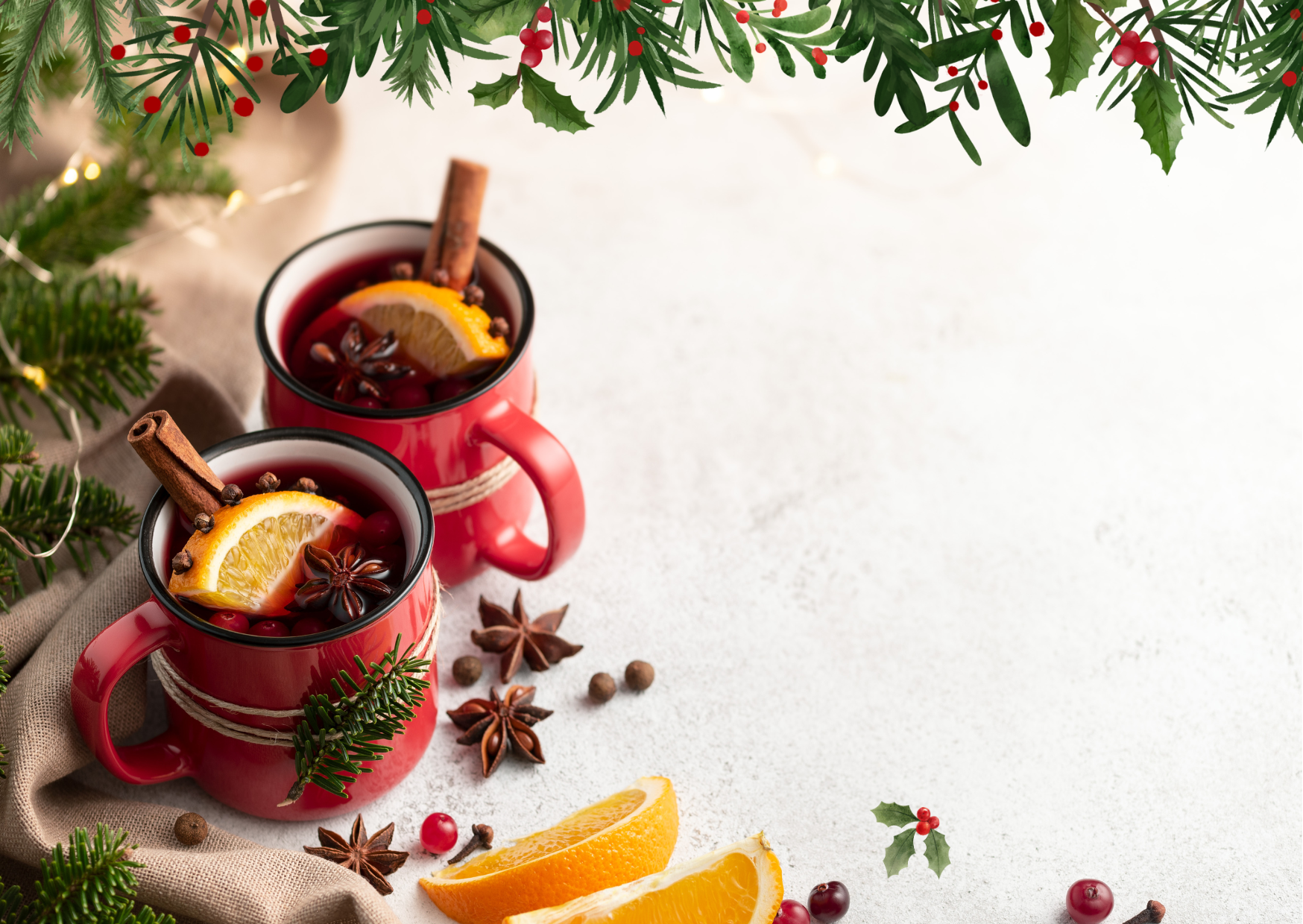
Mulled Wine (Glühwein): A Wen Li (Warm the Interior) Decoction This staple is essentially a Xie Fu (Drive Out Cold) formula. Cinnamon Bark (Rou Gui), the chief herb, strongly warms Kidney and Spleen Yang, invigorates blood (Huo Xue), and guides fire back to its source. Cloves (Ding Xiang), a key deputy herb, warms the Middle Jiao, directs Qi downward to stop vomiting, and has potent antimicrobial properties—crucial in eras before refrigeration. The wine itself acts as a Yin vehicle to efficiently disperse the herbs’ Yang and warming properties to the extremities. The traditional addition of bitter orange peel (Chen Pi variant) regulates Qi and mitigates cloying.

Christmas Pudding & Spiced Cake: A Jian Pi (Fortify the Spleen) Strategy These dense, sweet, and fatty foods pose a challenge to Spleen Yang and digestion. The herbal mix within is a clever countermeasure. Nutmeg (Rou Dou Kou), in small doses, warms the Spleen, astringes intestines, and prevents the leakage of Qi from excessive richness. Allspice (Jamaican Pepper) functions as a carminative, moving Qi and relieving distension. Ginger (Sheng Jiang), often present, harmonises the Middle Jiao and mitigates the cold, damp nature of dried fruits. This is a culinary example of a Xiao Dao (Digestive) formula embedded within the food itself.

Sage & Onion Stuffing: A Qing Re (Clear Heat) and Hua Tan (Transform Phlegm) Combination Paired with rich, fatty meats like goose or pork, this stuffing demonstrates a balancing act. Sage (Salvia officinalis) mirrors some properties of Dan Shen; it clears heat, has mild circulatory benefits, and its volatile oils aid in cutting through Tan Yin (Phlegm-Damp) generated by rich foods. The onion (a Cong Bai analogue) releases the exterior and promotes digestion. Together, they prevent the stagnation of food (Shi Ji) and transform turbidity.

These festive traditions underscore a universal principle: that seasonal wellness is rooted in supporting Yang, moving Qi, and aiding the Spleen’s transformation. It is a reminder that our medicine is part of a global tapestry of intuitive health practices.

Let us know your clinical observations on this intersection of tradition and practice this Christmas.

Share:

Facebook
Twitter
Pinterest
LinkedIn

Leave a Comment

Your email address will not be published. Required fields are marked *

On Key

Related Posts

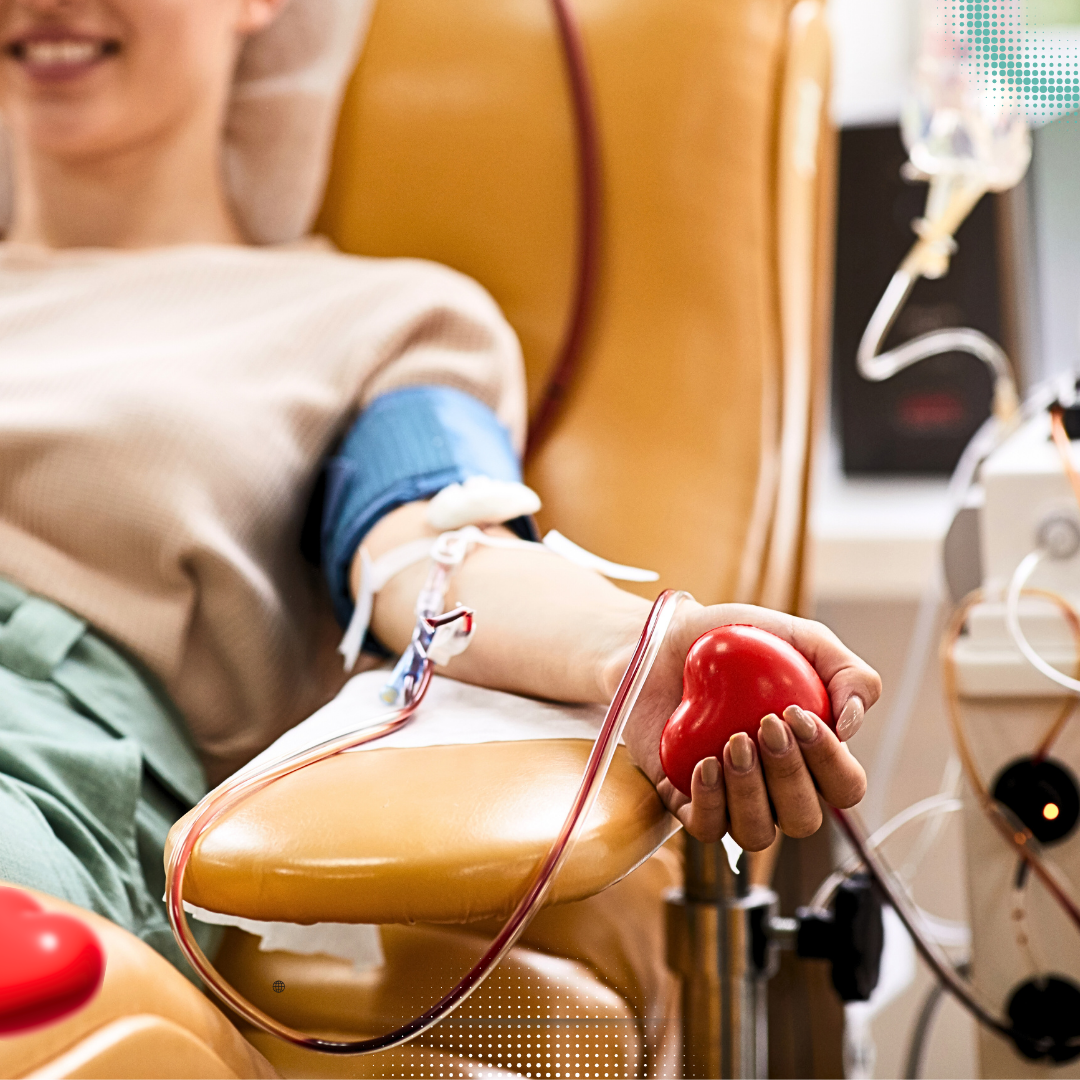
Blood Donation and Acupuncture: A Current Update

Message from Chris Davies CEO The current NHS Blood and Transplant position is that anyone who has received acupuncture must wait four months before donating blood. This waiting period was originally introduced to allow sufficient time for any blood-borne viruses to become detectable through post-donation screening. This policy was put in place many years ago following a serious incident involving the re-use of acupuncture needles that had not been adequately sterilised. While appropriate at the time, this position has remained unchanged despite the fact that acupuncture practice, regulation, and infection control standards in the UK have evolved significantly since then. Modern acupuncture practice uses single-use, sterile needles as standard, alongside stringent hygiene, health, and safety procedures supported by robust professional training. As a result, the risk associated with acupuncture is now among the lowest of all invasive procedures carried out in the UK. We have been committed to pursuing this issue fully and persistently. This was not a short-term engagement, but a sustained process of escalation, evidence-building, and negotiation. The work in this area was always undertaken not only for its own members, but for the profession as a whole. The AAC has a long-standing record of actively advocating for practitioners and its members and has collaborated in the past with other organisations towards mutual aims, including successfully securing permission for acupuncture services to remain open throughout all COVID lockdowns. This same commitment has underpinned our approach to blood donation policy. For the past six years, the AAC has been actively involved in challenging the four-month deferral period. This has included engaging legal counsel, responding to repeated procedural barriers, and pressing for review at every appropriate level, even where progress was slow or repeatedly delayed. Key milestones in this process include: 2019: Following extensive discussions, NHS Blood and Transplant confirmed its support for removing the four-month waiting period for acupuncture. 2020: Successfully argued for, and passed, a formal medical review of acupuncture procedures and infection control standards in the UK. 2022: Agreement was obtained from JPAC (the Joint United Kingdom Blood Transfusion and Tissue Transplantation Services Professional Advisory Committee), which is responsible for advising on donor selection and safety. 2023: Agreement was secured from SaBTO (the Advisory Committee on the Safety of Blood, Tissues and Organs) to allow exemption from the waiting period for patients treated by practitioners registered with recognised acupuncture organisations. 2023: Agreement was reached in principle to abolish the four-month waiting period. 2024: Support for the revised position was confirmed by the Department of Health and Social Care (DHSC) and the Medicines and Healthcare products Regulatory Agency (MHRA). DHSC agreed to develop final recommendations for approval in consultation with the devolved health administrations. 2024: The devolved health administrations of all four UK nations were formally consulted and given the opportunity to raise objections. 2025: No objections were received from any of the four nations’ health departments. 2026: A proposed timeline has been agreed, with implementation of the revised guidelines expected by the end of Spring 2026. While timelines can be subject to delay, the most significant and complex work has now been completed. The key thing is an Agreement has been reached across multiple departments of health and all four devolved administrations. This represents a major shift and places the profession in a strong position as the final stages of implementation proceed. The AAC would like to acknowledge Tony Dickenson of BAWMA, who secured the initial agreement from NHS Blood and Transplant, along with all members of the AAC and ARA team and external legal advisors who have contributed to this bringing this to fruition. Although the milestones above appear concise, progress has been achieved through sustained, detailed, and often demanding engagement, including regular strategic meetings, legal consultation, and continued escalation where earlier efforts had stalled. Every possible avenue was explored, and pressure applied where necessary, to overcome repeated delays, unanswered correspondence, and assertions that change was impossible due to legislation. This outcome reflects what can be achieved through persistence, collaboration, and a clear commitment to advancing the profession in the interests of both practitioners and the public. What This Means in Practice for Practitioners and Patients Once the revised guidelines are implemented, patients who have received acupuncture from practitioners registered with recognised professional acupuncture organisations will no longer be subject to an automatic four-month deferral period when donating blood. This brings blood donation policy into alignment with modern acupuncture practice and current infection control standards. For practitioners, this represents formal recognition of the safety, professionalism, and regulatory standards upheld across the profession. It also removes an outdated barrier that has long affected patient confidence and public perception. For patients, it means greater clarity and fairness. Receiving acupuncture will no longer unnecessarily exclude otherwise eligible donors from giving blood, supporting both individual choice and the wider needs of the NHS blood supply. The AAC will continue to keep members informed as final guidance is issued and implementation progresses. I first took on this issue in 2020 and, after several years of work, we are now very close to achieving the outcome we have been aiming for. It has been a complex process, but it is something our members have consistently asked us to address. Throughout this time, AAC has remained committed to engaging proactively and working through the appropriate channels to help move the issue forward. While it would have been possible to seek an exemption for AAC alone, we felt it was important to pursue a solution that benefits the wider profession rather than just one organisation. Our aim has always been to see the rule itself reviewed so that the outcome is fairer for all acupuncturists. We will continue supporting the final stages of the rollout and advocating for the removal of the waiting period so the full benefits of these changes can be realised. Thank you to everyone who has supported this work and continued to raise the importance of the issue.

The January Rhythm: Supporting Acupuncturists Through Every Season of Practice

As we move towards the end of January, many acupuncture clinics begin to notice a shift in pace. For some practitioners, the diary has softened after the Christmas rush as patients rein in spending and gently ease themselves back into the year. For others, January remains busy, with patients continuing to prioritise their health, wellbeing, and long-term resilience. Wherever your clinic sits right now, it’s worth remembering that this variation is not only normal — it’s part of the natural rhythm of clinical practice. A quieter period does not diminish the value of your work, your skills, or your commitment to your patients. Equally, a full diary is a testament to the trust your patients place in you and the relationships you have built over time. Neither state is “better” or “worse”; they are simply different moments in the lifecycle of practice. Understanding the Seasonal Flow of Practice January can be a particularly reflective month. The energy of the new year often brings questions:Am I where I expected to be? Should my clinic be busier? Am I doing enough? These thoughts are common, especially for practitioners who work independently. Acupuncture practice can sometimes feel isolating, and fluctuations in patient numbers can easily become personal if we don’t have space to talk them through. Seasonal changes, economic pressures, and wider societal factors all influence patient behaviour. A dip in bookings is rarely a reflection of your competence or care. In fact, many established practitioners will recognise that quieter periods often provide valuable space — time to rest, reflect, refine skills, or reconnect with why they chose this profession in the first place. You’re Not Alone — And You Don’t Have to Navigate This by Yourself At JAMA, we recognise that being an acupuncturist involves far more than clinical hours. It includes the emotional labour of caring for others, the practical realities of running a business, and the ongoing challenge of professional development. That’s why supporting our members through all phases of practice — busy, quiet, and everything in between — is central to what we do. How JAMA Supports Members in January and Beyond Mentoring and Professional Support One of the most valuable resources we offer is our mentoring support. Whether you’re newly qualified, returning after a break, or many years into practice and facing new challenges, mentoring provides a confidential, supportive space to reflect, problem-solve, and gain perspective. Mentoring can help with: Sometimes, simply having a conversation with someone who understands the realities of acupuncture practice can make a significant difference. Community and ConnectionBeing part of JAMA means being part of a professional community. Through shared learning, peer support, and open dialogue, we aim to reduce the sense of isolation that can arise — particularly during quieter times. Guidance, Resources, and Ongoing DevelopmentWe continue to provide educational opportunities, updates, and resources to support both clinical excellence and professional resilience. January can be an ideal time to engage with learning, revisit goals, or explore new areas of interest without the pressure of a full diary. Honouring the Rhythm of Your Practice If your January has been quieter, allow yourself to see it as a season rather than a failure. If it’s been busy, acknowledge the trust your patients place in you — and remember to care for yourself too. Wherever you are right now, you are not alone in this experience. JAMA is here to support you — not just when things are going well, but when practice feels uncertain, slow, or in need of reflection. As we move into the rest of the year, let’s continue to support one another, share our experiences honestly, and recognise that every phase of practice has value. How has January been for you?

The Pharmacognosy of Festive Prescriptions in Western Herbal Traditions

As we approach the Dong Zhi (Winter Solstice) season, our focus turns to supporting patients’ Yang Qi and guarding against Han Xie (Cold Pathogen). It’s a poignant time to observe how traditional European winter cuisine, particularly Christmas foods, intuitively applied herbal principles that align closely with our own pharmacopeia. These recipes can be seen as historical, community-wide Zhong Yao formulas for the season. Let’s analyse a few key examples through a clinical lens. Mulled Wine (Glühwein): A Wen Li (Warm the Interior) Decoction This staple is essentially a Xie Fu (Drive Out Cold) formula. Cinnamon Bark (Rou Gui), the chief herb, strongly warms Kidney and Spleen Yang, invigorates blood (Huo Xue), and guides fire back to its source. Cloves (Ding Xiang), a key deputy herb, warms the Middle Jiao, directs Qi downward to stop vomiting, and has potent antimicrobial properties—crucial in eras before refrigeration. The wine itself acts as a Yin vehicle to efficiently disperse the herbs’ Yang and warming properties to the extremities. The traditional addition of bitter orange peel (Chen Pi variant) regulates Qi and mitigates cloying. Christmas Pudding & Spiced Cake: A Jian Pi (Fortify the Spleen) Strategy These dense, sweet, and fatty foods pose a challenge to Spleen Yang and digestion. The herbal mix within is a clever countermeasure. Nutmeg (Rou Dou Kou), in small doses, warms the Spleen, astringes intestines, and prevents the leakage of Qi from excessive richness. Allspice (Jamaican Pepper) functions as a carminative, moving Qi and relieving distension. Ginger (Sheng Jiang), often present, harmonises the Middle Jiao and mitigates the cold, damp nature of dried fruits. This is a culinary example of a Xiao Dao (Digestive) formula embedded within the food itself. Sage & Onion Stuffing: A Qing Re (Clear Heat) and Hua Tan (Transform Phlegm) Combination Paired with rich, fatty meats like goose or pork, this stuffing demonstrates a balancing act. Sage (Salvia officinalis) mirrors some properties of Dan Shen; it clears heat, has mild circulatory benefits, and its volatile oils aid in cutting through Tan Yin (Phlegm-Damp) generated by rich foods. The onion (a Cong Bai analogue) releases the exterior and promotes digestion. Together, they prevent the stagnation of food (Shi Ji) and transform turbidity. These festive traditions underscore a universal principle: that seasonal wellness is rooted in supporting Yang, moving Qi, and aiding the Spleen’s transformation. It is a reminder that our medicine is part of a global tapestry of intuitive health practices. Let us know your clinical observations on this intersection of tradition and practice this Christmas.

Staying Connected: Introducing Regional WhatsApp Groups

Working as an acupuncturist can be deeply rewarding — but we also know it can sometimes feel a little isolating. Many of our members tell us that while they love the independence of running their own practice, they sometimes miss having colleagues to chat with, share ideas, or simply check in about how things are going. At the Association of Acupuncture Clinicians (AAC), we understand how important connection and community are — especially in a profession where many of us work on our own. That’s why we’re delighted to introduce our new regional WhatsApp groups for AAC members. Why we’ve created these groups These new WhatsApp groups are designed to help you: It’s about creating a supportive network of practitioners who can lean on each other — personally and professionally. How it works We’re setting up groups across the UK, organised roughly by county. Each group will cover a wider area, so you can choose to join more than one if that makes sense for where you live or work. The groups are designed to be friendly, informal and practical — a space where you can feel part of a wider community of practitioners who understand your world. How to join If you’d like to join a regional group, it’s quick and easy: Send us a WhatsApp message to 07947650083 with your full name and let us know which group (or groups) you’d like to be part of. We’ll send you an invitation link and you can start connecting right away. The following groups are available: South Central England South East England South West England London East of England East Midlands West Midlands North West England North East England Yorkshire & The Humber Wales Scotland Ireland Together, we’re stronger Our profession thrives on care, compassion and connection — not just with our patients, but with each other. Whether you’ve been practising for years or are just starting out, these groups are a simple, welcoming way to stay connected and feel part of a community that understands what you do. Let’s keep supporting one another, sharing our knowledge, and reminding ourselves that we’re never truly working alone.

Hubble Bubble, Toil and Trouble: The Art of Herbal Medicine in Autumn

As the nights draw in and the leaves turn, autumn is the season of gathering in and preparing for the colder months ahead. In the language of Chinese medicine, it is the time of the Lungs and Metal — a season that invites us to strengthen our defences, guard against invasion, and tend the inner fires that will sustain us through winter. Many of us already turn instinctively to moxa when the weather chills, but autumn is also the perfect moment to remember the power of warming herbs. These herbs don’t just flavour soups and teas; they bolster Wei Qi, dispel Cold-Damp, and nourish Spleen and Kidney Yang. Below is a seasonal guide to three areas where herbs can be especially supportive at this time of year. ⸻ 1. Guarding the Wei Qi Autumn is notorious for sneezes, sniffles, and stiff necks — the classic signs of Wind-Cold pressing in at the body’s surface. To strengthen the Wei Qi and protect the Lungs, we can look to familiar kitchen herbs alongside classical materia medica.               •            Sheng Jiang (Fresh Ginger) warms the middle and harmonises the Stomach while helping to release the exterior. A simple ginger tea is as close to herbal magic as many patients already come.               •            Cong Bai (Spring Onion Scallion Tops) gently releases the exterior, used traditionally in the early stages of Wind-Cold invasion.               •            Gui Zhi (Cinnamon Twig) warms the channels and supports the Heart Yang, while also harmonising the Ying and Wei — making it especially relevant in seasonal colds. The Su Wen reminds us: “In autumn, make the Qi peaceful to guard the Lung.” These herbs do just that — strengthening the surface while allowing us to expel Wind when it creeps in. ⸻ 2. Banishing Dampness and Cold Anyone who has lived through a British autumn knows the weight of damp: soggy shoes, heavy joints, and sluggish digestion. In TCM terms, Cold-Damp can obstruct the middle and weaken the Spleen. Aromatic herbs are a key ally here, transforming Damp and reviving the digestive cauldron.               •            Chen Pi (Aged Tangerine Peel) regulates Qi, dries Damp, and harmonises the middle burner — and can be found in many Chinese supermarkets.               •            Huo Xiang (Agastache) transforms Damp and harmonises the Stomach. Though less familiar, it’s invaluable for those who feel heavy and foggy in the damp months.               •            Cang Zhu (Atractylodes Rhizome) strongly dries Dampness and fortifies the Spleen, making it especially useful when the damp feels bone-deep. These herbs are about lightening the body, clearing away the swampy heaviness of Cold-Damp, and helping digestion remain strong as we move toward winter. ⸻ 3. Stoking the Inner Fire As the yin deepens and daylight wanes, the Kidney Yang begins to be tested. For those with cold hands and feet, backache, or fatigue, warming herbs help to “tend the inner hearth.” They act like logs on the fire, sustaining warmth in the cold months.               •            Rou Gui (Cinnamon Bark) enters the Kidneys, Spleen, and Heart, powerfully warming the interior and guiding fire back to its source.               •            Gan Jiang (Dried Ginger) is hotter and more penetrating than fresh ginger, dispersing internal Cold and reviving the middle burner.               •            Da Zao (Jujube Dates) nourish Qi and Blood, harmonising the Spleen and calming the spirit.               •            Gou Qi Zi (Goji Berries) gently tonify Liver and Kidney Yin while also supporting the Blood — offering balance to the warming herbs. Ai Ye (Mugwort Leaf), already familiar through moxibustion, also deserves mention here: internally it warms the channels and disperses Cold, while externally, a slice of Sheng Jiang beneath the moxa cone sends warmth deeper into the body. ⸻ Autumn Brew: Warming the Cauldron Here’s a simple, accessible decoction that can be shared with patients — and sourced easily from a Chinese supermarket:               •            3 slices of Sheng Jiang (Fresh Ginger)               •            1–2 sticks of Rou Gui (Cinnamon Bark), or a small piece broken off               •            6–8 Da Zao (Jujube Dates), split open               •            1 tablespoon Gou Qi Zi (Goji Berries) Simmer gently for 15–20 minutes in 1 litre of water until rich and fragrant. Drink warm. This brew gently warms the middle, supports Qi and Blood, and provides a sweet, comforting tonic for the autumn months. ⸻ Closing Reflection As practitioners, we stand at the threshold of the darker half of the year with a full apothecary at our side. The classics teach us that autumn is the season of “gathering and storing” — a time to contract, conserve, and prepare. Warming herbs, whether drawn from the kitchen or the dispensary shelf, help us to guard the exterior, clear away dampness, and keep the flame alive within. So as the nights grow long, perhaps we can raise our cups of ginger tea, sprinkle a little Gui Zhi into the pot, or reach for herbs that may be waiting quietly in the aisles of the Chinese supermarket. In doing so, we honour both tradition and season, and help our patients move through autumn with strength, warmth, and resilience.