
How to Handle Complaints: A Practical Guide for JAMA Members

In acupuncture and integrated healthcare practice, receiving a client complaint can feel deeply personal.

It can affect your confidence, your professional reputation and even your livelihood. Whether you practise acupuncture alone or alongside therapies such as massage, cupping, moxibustion, electroacupuncture, nutrition or other complementary approaches, complaints can happen in any healthcare setting.

But complaints are not only about blame. Managed well, they can:

  • Help protect your practice and professional reputation
  • Strengthen trust and communication with patients
  • Improve the quality and safety of your work
  • Highlight areas where systems or expectations can be improved.

This guide explores how JAMA members can handle complaints professionally and compassionately — and how to reduce the chances of complaints arising in the first place.


What is a client complaint?

A complaint is more than a passing concern or disappointment. It may involve:

  • A verbal or written expression of dissatisfaction
  • A request for a refund or compensation
  • A threat to contact a regulator, professional body or solicitor
  • Concerns about treatment, communication, outcomes, boundaries, consent or fees.

Underneath most complaints, a patient may feel:

  • Misled, confused or under-informed
  • That their expectations were not met
  • Unheard, dismissed or disrespected
  • Worse after treatment, or disappointed by a lack of improvement.

If these concerns are not addressed early, they can escalate into formal complaints, insurance claims or regulatory involvement. That’s why proactive complaint handling is such an important part of professional practice.


Why patients complain: Common triggers

Many complaints arise from a small number of common issues. Recognising these early can help prevent problems developing.

Lack of clear information

As practitioners, we understand our treatments and clinical reasoning — but patients may not. Make sure patients clearly understand:

  • What treatment involves
  • What it is intended to help with
  • Possible reactions or side effects
  • How progress will be reviewed
  • When referral or reassessment may be needed.

Unrealistic expectations

Some patients hope for immediate relief or guaranteed outcomes. It is important to explain:

  • Likely progress and timeframes
  • Limitations of treatment
  • That responses vary between individuals
  • The importance of ongoing review and adjustment.

Feeling worse after treatment

Occasionally patients may experience temporary symptom flare-ups, bruising, fatigue, emotional release or other reactions. Clear aftercare advice is essential so patients know:

  • What reactions can be normal
  • What should settle quickly
  • When they should contact you
  • When further medical advice may be needed.

Poor communication

Busy clinics can unintentionally leave patients feeling rushed or unheard. Taking time to listen actively, check understanding and invite questions can significantly reduce dissatisfaction.

Boundary concerns

Consent and professional boundaries are central to safe acupuncture practice. Be clear about:

  • What treatment involves
  • Needle locations and techniques
  • Use of touch
  • Additional therapies offered
  • The patient’s right to pause or stop treatment at any time.

Confidentiality concerns

Patients need confidence that their information is handled appropriately. Explain:

  • What records you keep
  • Why they are needed
  • How records are stored
  • Who can access them
  • When confidentiality may need to be broken for safeguarding or legal reasons.

Practical frustrations

Late appointments, cancellations, fees, unclear policies or booking difficulties can quickly damage trust. Clear clinic policies communicated in advance can help prevent disputes.


Managing risk in everyday practice

Good complaint handling starts long before a complaint is made. Risk management should run through every stage of patient care.

Advertising and referrals

Ensure all statements about your treatments and services are accurate and measured. Avoid promising cures or guaranteed outcomes.

Initial enquiries

Be professional, welcoming and realistic about what you can and cannot offer.

Health history and consultation forms

Gather sufficient information to practise safely and appropriately.

Clinic environment

Your treatment space should feel safe, private, clean and well organised.

Consent and treatment planning

Patients should fully understand:

  • What treatment involves
  • Potential risks and benefits
  • Alternatives available
  • Any limitations of care.

Treatment and review

Explain your clinical reasoning and ensure treatment is paced appropriately to the patient’s comfort and tolerance.

Aftercare and follow-up

Patients should leave understanding:

  • What to expect afterwards
  • How to care for themselves
  • How to contact you if concerns arise
  • When reassessment may be needed.

At each stage, ask yourself:

  • What could go wrong here?
  • How might this feel from the patient’s perspective?

Small improvements in communication and systems often prevent larger problems later.


The 6 Cs of complaint prevention

1. Consent

Consent is an ongoing process, not simply a signed form. Patients should understand:

  • What you propose to do and why
  • Likely benefits and limitations
  • Possible risks or side effects
  • Their right to decline or stop treatment.

2. Communication

Many complaints involve communication difficulties. Good practice includes:

  • Listening carefully
  • Using clear, plain language
  • Encouraging questions
  • Checking understanding regularly.

3. Contracts and clinic policies

Patients should clearly understand:

  • Fees and payment terms
  • Session length and frequency
  • Cancellation and missed appointment policies
  • Communication methods
  • Any therapies or techniques used within treatment.

4. Case notes and records

Clear records are essential if concerns arise. Document:

  • Presenting complaints and medical history
  • Assessment findings
  • Treatment provided and rationale
  • Consent discussions
  • Advice and follow-up plans.

Write notes promptly and factually.

5. Children and vulnerable adults

Additional safeguards are essential. Ensure you understand:

  • Consent requirements
  • Safeguarding responsibilities
  • Clinic policies regarding attendance of parents or carers
  • How concerns are recorded and escalated.

6. Confidentiality

Trust depends on safe handling of information. Be transparent about:

  • Record storage and retention
  • Data protection responsibilities
  • Who may access information
  • Limits of confidentiality.

How to respond if a patient complains

Even with excellent systems, complaints can still happen. Your response matters enormously.

1. Stay calm

  • Pause before replying
  • Avoid defensive or emotional responses
  • Focus on resolving concerns professionally.

2. Listen and acknowledge

Allow the patient to explain their concerns fully.

You can acknowledge distress without admitting liability, for example:

“I’m sorry to hear this has been upsetting for you.”

or

“I can understand why you feel disappointed.”

Patients who feel heard are often less likely to escalate matters further.

3. Follow your complaints procedure

JAMA members should have a simple written complaints procedure and follow it consistently.

  • Record the complaint
  • Keep copies of all correspondence
  • Respond within reasonable timescales.

4. Do not admit liability or offer refunds without advice

Avoid statements such as:

  • “This was definitely my fault”
  • “I’ll refund everything immediately.”

These may affect your insurance position.

5. Contact JAMA straight away

If you receive a complaint, formal concern or indication that a patient may escalate matters further, JAMA members are strongly encouraged to contact the Japanese Acupuncture & Moxibustion Association (JAMA) as soon as possible for guidance and support.

Early advice can help you:

  • Respond appropriately
  • Protect both patient welfare and your professional position
  • Understand your obligations
  • Access further support if needed.

6. Notify your insurance provider where appropriate

You should also notify your insurer promptly if a patient:

  • Mentions formal action
  • Requests compensation or a refund
  • Refers to legal proceedings
  • Mentions regulators or solicitors.

Late notification can create difficulties with insurance cover.


Practical dos and don’ts

Do:

  • Stay calm and professional
  • Listen without interrupting
  • Acknowledge the patient’s experience
  • Keep accurate written records
  • Follow your complaints procedure
  • Contact JAMA early for support
  • Notify your insurer where appropriate.

Don’t:

  • Ignore concerns or early dissatisfaction
  • React defensively
  • Admit liability without advice
  • Delay notifying insurers
  • Discuss complaints unnecessarily with others.

Turning complaints into opportunities

While complaints are never pleasant, they can provide valuable learning opportunities.

Review complaints and near misses regularly. Look for patterns involving:

  • Communication
  • Consent
  • Clinic systems
  • Policies
  • Record keeping
  • Clinical processes.

Small changes can improve patient safety, strengthen trust and support better professional practice.


Final thoughts

Handling complaints requires professionalism, reflection and compassion.

By focusing on:

  • Clear communication and informed consent
  • Good record keeping
  • Strong boundaries and confidentiality
  • Safe systems and clinic policies
  • Early support from JAMA and insurers

…JAMA members can approach complaints with greater confidence and clarity.

Complaints are never enjoyable, but managed well, they can demonstrate integrity, strengthen patient trust and ultimately support safer, more effective care for everyone.

Share:

Facebook
Twitter
Pinterest
LinkedIn
On Key

Related Posts

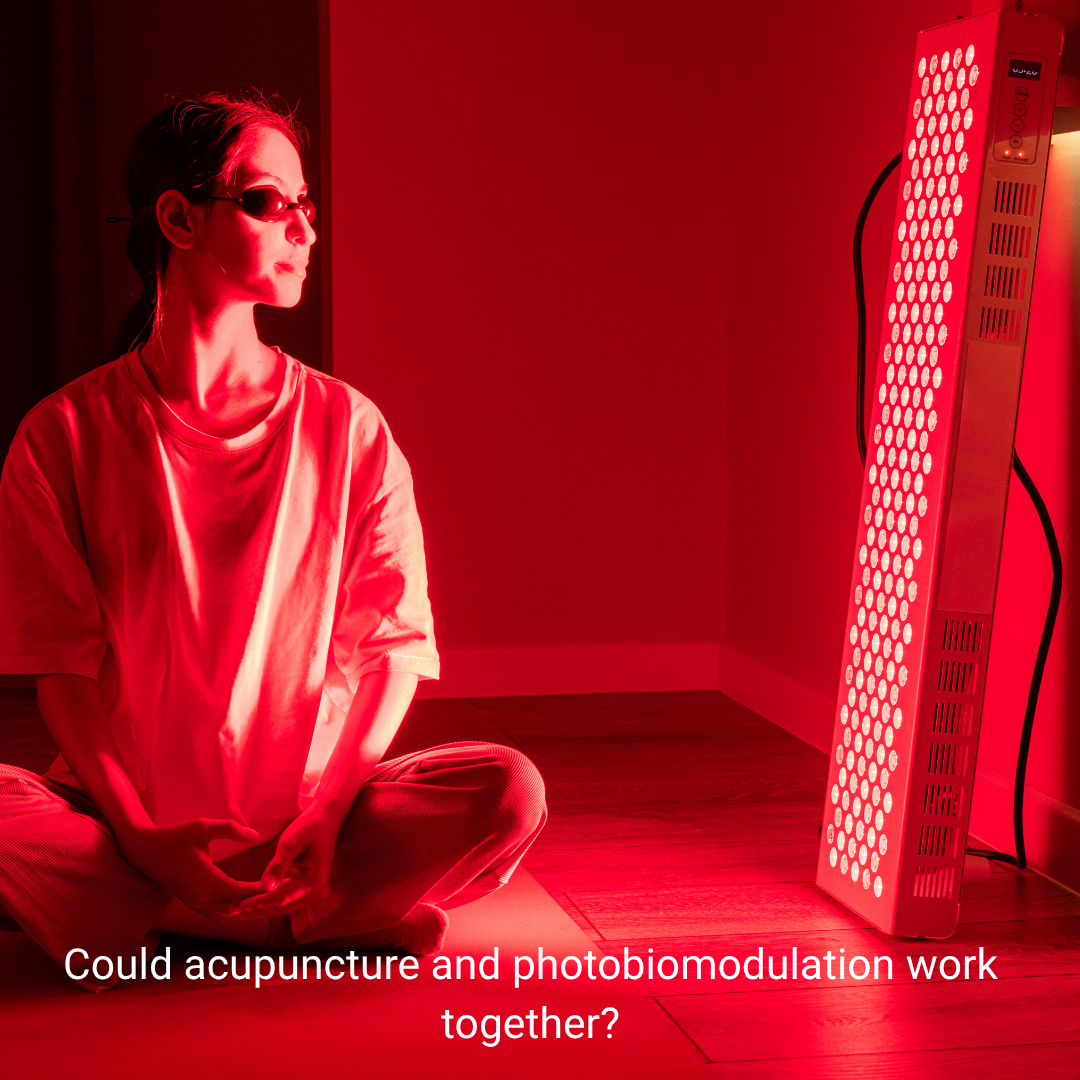
Could acupuncture and photobiomodulation work together? Exploring an emerging approach to patient care

As healthcare continues to evolve, so too does acupuncture practice. While acupuncture has been used for thousands of years to support health and wellbeing, many practitioners continue to explore how modern technologies may complement traditional techniques and enhance patient care. One area attracting increasing interest is photobiomodulation (PBM), sometimes referred to as light therapy. Although often associated with aesthetics, photobiomodulation is being explored across a much wider range of healthcare applications, including pain management, injury rehabilitation, tissue recovery and skin health. For some acupuncturists, it offers another therapeutic option that may be incorporated into an individualised treatment plan alongside acupuncture. What is photobiomodulation? Photobiomodulation uses specific wavelengths of light to interact with the body’s tissues and support normal cellular processes. Unlike treatments that generate heat, photobiomodulation uses low-level light energy. Different wavelengths are being investigated for different purposes: Research into photobiomodulation continues to grow, with studies exploring how it may be used across a variety of healthcare settings. Why are some acupuncturists incorporating photobiomodulation into practice? Acupuncture has always evolved alongside advances in healthcare. Today’s practitioners combine traditional knowledge with modern clinical understanding to provide personalised care based on each patient’s individual needs. Photobiomodulation is one example of this evolving practice. Rather than replacing acupuncture, some practitioners are choosing to use light therapy alongside traditional acupuncture techniques where they believe it may complement their clinical approach. Although acupuncture and photobiomodulation work in different ways, both aim to support the body’s natural healing processes. Acupuncture stimulates carefully selected points based on a detailed clinical assessment, while photobiomodulation delivers targeted wavelengths of light to specific tissues. For practitioners who combine the two, the goal is to create an integrated treatment approach that supports recovery, wellbeing and overall patient care. Importantly, the technology never replaces clinical expertise. Assessment remains at the heart of acupuncture practice, ensuring that treatment is tailored to the individual rather than following a one-size-fits-all approach. Supporting pain management and injury recovery Pain is one of the most common reasons people seek acupuncture treatment, whether for musculoskeletal conditions, sports injuries or persistent pain. Photobiomodulation is also being investigated for its potential role in supporting pain management, reducing inflammation and promoting tissue repair. Because near-infrared wavelengths penetrate deeper into tissues than visible light, some practitioners incorporate them alongside acupuncture when working with muscles, tendons and other soft tissues. For patients recovering from injury, surgery or ongoing musculoskeletal problems, combining acupuncture with photobiomodulation may form part of a broader rehabilitation plan designed to support recovery and help people return to their daily activities. As with acupuncture, treatment decisions are based on individual assessment, health history and clinical goals. No two treatment plans are exactly the same. Facial acupuncture and photobiomodulation Facial acupuncture has grown in popularity as more people seek approaches that support healthy skin and overall wellbeing. While facial acupuncture is often associated with aesthetics, it remains rooted in the principles of traditional acupuncture. Treatment involves a detailed assessment of the individual, considering their overall health as well as their concerns about the skin. Healthy skin depends on many factors, including circulation, tissue health, inflammation, lifestyle, sleep, nutrition and the body’s natural repair processes. Some practitioners are exploring how photobiomodulation may complement facial acupuncture by supporting these natural processes. Research is continuing into the potential role of different wavelengths: For practitioners who combine facial acupuncture with photobiomodulation, the aim is not simply cosmetic enhancement. Instead, the focus is on supporting healthier skin while taking a holistic view of each person’s health and wellbeing. As with all healthcare treatments, responses vary between individuals. Outcomes are influenced by many factors, including age, lifestyle, overall health, skincare routine and the personalised treatment plan developed by the practitioner. Looking to the future The profession continues to evolve as practitioners explore how traditional acupuncture approaches may sit alongside emerging technologies. Photobiomodulation is one example of how some acupuncturists are expanding their clinical toolkit while maintaining the core principles of personalised, patient-centred care. As research continues to develop, conversations around integrated approaches to healthcare are likely to grow. For patients, this means having informed discussions with qualified practitioners about the treatment options that may be appropriate for their individual needs. At JAMA, we welcome thoughtful discussion around innovation in acupuncture practice and the ways practitioners continue to combine clinical expertise, traditional knowledge and emerging research to support the people in their care. We’d love to hear from our members:Are you incorporating photobiomodulation into your acupuncture practice? How are you using it alongside your treatments?

You’re Never Practicing Alone

For many practitioners, one of the greatest rewards of working in complementary healthcare is the opportunity to make a real difference to people’s lives. But alongside that comes a challenge that many of us know all too well—working alone. Whether you’re running your own clinic, renting a treatment room, or working as a sole practitioner, it’s easy to go days without seeing another therapist. While independence brings flexibility, it can also feel isolating. At JAMA, we believe that professional membership should be about more than insurance, CPD, and professional support. It should be about community. Why We Created Our Regional WhatsApp Groups Our regional WhatsApp groups were created with one simple aim: to help JAMA members connect with one another. These groups provide a welcoming space where members can: Sometimes it’s not about finding the answer to a clinical question—it’s simply about knowing there’s someone nearby who understands the unique experience of being a practitioner. Bringing Our Community Together We’re delighted that our very first regional meet-up is taking place with our London & East of England WhatsApp Group. Members have organised an informal afternoon in London to enjoy food, drinks, and conversation—a chance to put faces to names, strengthen existing connections, and welcome new ones. This is exactly what we hoped these groups would inspire. Professional relationships don’t always begin in a classroom or at a conference. Sometimes they begin over a coffee, a shared meal, or a conversation that starts with, “How’s clinic been this week?” More Than Membership One of the greatest strengths of JAMA is our community. Our members support one another through shared knowledge, encouragement, collaboration, and friendship. Together, we create a network where practitioners can learn, grow, and feel supported throughout their professional journey. As our regional groups continue to grow, we hope to see many more local meet-ups taking place across the UK. Whether it’s a coffee morning, an evening meal, a CPD study group, or a walk in the park, every gathering strengthens the connections that make our profession so special. You’re Never Practicing Alone Being self-employed doesn’t have to mean being isolated. When you become part JAMA, you become part of a community of practitioners who are there to support one another—professionally and personally. JAMA provides the community. Our members make it thrive. And together, we’re building something special.

The Power of Your Online Presence: 5 Areas Every Acupuncture Clinic Should Review

When clinic appointments slow down, it’s natural to focus on filling the diary. However, quieter periods can also provide an opportunity to work on something that supports the long-term success of your practice: your online presence. For many patients, the journey to booking an appointment begins online. Whether they are searching for an acupuncturist in their area, reading reviews, browsing your website, or checking your social media profiles, every interaction helps shape their impression of your clinic. The good news is that improving your online presence doesn’t require a large marketing budget or hours of work each week. Often, small updates can make a significant difference to how easily potential patients find and engage with your practice. Here are five key areas worth reviewing. 1. Google Business Profile: Your Most Important Online Asset If someone searches for “acupuncture near me” or “acupuncturist in [your town],” your Google Business Profile is often the first thing they see. Your profile appears in Google Search and Google Maps, making it one of the most powerful tools for attracting local patients. Take a few minutes to check: Positive reviews and up-to-date information can help build trust before a patient even visits your website. An active profile also signals to Google that your business is current and engaged. If you only have time to update one thing this month, make it your Google Business Profile. 2. Your Website: The Digital Front Door to Your Clinic Once a patient finds you, your website is often where they decide whether to book. A professional, easy-to-use website helps reassure visitors that they are in safe hands. Review your website from a patient’s perspective: Remember that many visitors will decide within seconds whether to stay on your website or look elsewhere. Clear information, professional imagery, and straightforward navigation all help create confidence. 3. LinkedIn: Building Professional Visibility LinkedIn is often overlooked by healthcare practitioners, but it can be a valuable platform for building professional relationships. Maintaining an active LinkedIn presence can help you: You don’t need to post every day. Sharing occasional insights, articles, clinic updates, or professional achievements can help raise your profile and strengthen your professional network. 4. Facebook: Staying Connected with Your Community Facebook remains an important platform for many local businesses and healthcare providers. Patients often use Facebook to learn more about a clinic before booking, particularly if they have been referred by a friend or family member. Consider reviewing: Sharing educational content, wellbeing tips, clinic updates, and community involvement can help keep your page active and relevant. The goal isn’t simply to post frequently—it’s to provide useful information that helps potential patients feel informed and confident. 5. Instagram: Showing the Human Side of Your Practice Instagram offers an opportunity to connect with people in a more visual and personal way. Patients are increasingly interested in understanding who they will be working with and what to expect from treatment. Content ideas include: Consistency is often more important than perfection. Even a few well-planned posts each month can help keep your clinic visible and approachable. Small Changes Can Make a Big Difference Improving your online presence isn’t about becoming a marketing expert. It’s about ensuring that when someone is looking for support, they can easily find accurate information about your clinic and feel confident taking the next step. A quieter period in practice can be frustrating, but it can also be productive. By reviewing your Google Business Profile, website, LinkedIn, Facebook, and Instagram accounts, you can strengthen your visibility, build trust, and position your clinic for future growth. After all, your online presence continues working for your practice even when your clinic doors are closed.

Upholding High Standards in Acupuncture Education

We are committed to promoting the highest standards of acupuncture education, professional practice and patient safety. As an organisation, we represent practitioners who have completed a minimum of three years’ degree-level acupuncture training. This education includes extensive study of acupuncture theory, anatomy, physiology, pathology, clinical reasoning, research, professional practice and supervised clinical experience. It is this depth and breadth of training that helps ensure practitioners are equipped to deliver safe, effective and professional patient care. Recently, concerns have been raised regarding an acupuncture training programme that appears to offer a qualification pathway without face-to-face practical training or assessment. While online learning can be a valuable component of modern education, acupuncture is fundamentally a practical healthcare discipline. Competence cannot be established through theory alone. Safe acupuncture practice requires far more than an understanding of point locations and treatment protocols. Practitioners must develop and demonstrate proficiency in needling techniques, anatomy, infection prevention and control, patient communication, clinical decision-making, risk management and the recognition and management of adverse events. These are skills that require appropriate supervision, practical training and robust assessment. We firmly believe that educational standards matter. They matter for the reputation of our profession, but most importantly they matter for patient safety. Members of the public have a right to expect that their practitioner has undergone comprehensive training and has demonstrated competency in both the theoretical and practical aspects of acupuncture. The absence of practical training and assessment raises significant concerns regarding patient safety. Acupuncture involves the insertion of needles into the body and, when performed incorrectly, carries the risk of adverse events, including serious complications such as pneumothorax. For this reason, we believe that supervised practical training and meaningful competency assessment are essential components of any acupuncture qualification. In response to concerns raised by members and the wider profession, we have contacted the insurance provider associated with the training programme and requested that the matter be investigated. We have highlighted our concerns regarding the absence of face-to-face practical assessment, the potential risks to patient safety, and the importance of maintaining robust educational and competency standards within acupuncture training. We will continue to engage with relevant organisations and stakeholders to emphasise the importance of maintaining appropriate educational and assessment standards within acupuncture education and to advocate for high-quality training and professional accountability across the sector. We are grateful to members who bring concerns to our attention. Maintaining standards is a collective responsibility, and member engagement plays an important role in safeguarding both the profession and the public. As an association founded on professional excellence, we will continue to champion rigorous education, clinical competence and patient-centred care. We believe that maintaining high standards of training is essential to protecting the public and ensuring acupuncture continues to be recognised as a safe, respected and effective healthcare profession.

When Your Clinic Goes Quiet: Don’t Panic, Get Productive

Few things create more anxiety for clinic owners than opening the diary and seeing empty appointment slots. Whether you work from a dedicated clinic, a multidisciplinary practice, or a treatment room of your own, every acupuncturist will experience quieter periods at some point. While it can be concerning when appointments slow down, it’s important to recognise that fluctuations in patient numbers are a normal part of running a practice. Even highly skilled and well-established acupuncturists experience times when the diary isn’t as full as they’d like. First things first: if your clinic has gone quiet, don’t take it personally. A quieter diary is not a reflection of your skills, your value as a practitioner, or the quality of care you provide. It’s easy to jump to conclusions and wonder whether patients no longer value your services, whether competitors are doing something better, or whether you’ve somehow lost your touch. In reality, fluctuations in demand happen to every business. Many excellent practitioners experience quieter periods throughout the year. A slower period doesn’t mean you’re doing anything wrong—it means you’re running a business in the real world. The Current Economic Climate Matters It’s also worth recognising the wider environment in which we’re all operating. Across the UK, many households continue to feel financial pressure from rising living costs, higher mortgage and rental payments, increased utility bills, and general economic uncertainty. When budgets become tighter, people often delay spending decisions—even when those decisions relate to their health and wellbeing. This doesn’t mean people don’t need your services. It simply means that purchasing behaviours change during challenging economic periods. As a clinic owner, understanding this can help you avoid making the mistake of internalising every dip in demand as a personal failure. Don’t Waste the Opportunity (But Don’t Fill Every Minute Either) While quieter periods can be frustrating, they also provide something many clinic owners rarely have enough of: time. When your diary is full, you’re focused on treating patients. When things slow down, you have an opportunity to work on the business rather than simply working in it. However, it’s also important to recognise that quieter periods are not just for productivity. They are also a chance to rest, reset, and reflect. Running a clinic requires a significant amount of emotional, physical, and mental energy. Slower weeks can be an opportunity to step back, recover, and prevent burnout—something that is often overlooked in healthcare professions. Not every gap in the diary needs to be filled with tasks. Sometimes the most productive thing you can do is take a break, spend time away from the clinic, or simply allow yourself space to recharge. The actions you take during quieter periods can have a long-term impact on your clinic—but so can your ability to sustain yourself within the work. 1. Build and Strengthen Referral Relationships One of the most valuable uses of your time is relationship building. Reach out to local healthcare professionals, personal trainers, gym owners, sports coaches, running clubs, community groups, and other businesses that serve a similar audience. Arrange informal meetings, attend networking events, and focus on building genuine relationships rather than simply asking for referrals. People refer to people they know, trust, and understand. 2. Offer Talks and Educational Sessions Many acupuncturists underestimate the power of getting out into the community. Could you deliver a workshop at a local gym? Could you speak to a running club about injury prevention and recovery? Could you offer a workplace wellbeing session for local businesses? Could you provide an educational talk for community groups? Public speaking helps establish credibility, increases visibility, and often generates enquiries long after the event itself. 3. Review Your Website Your website is often your most important marketing asset. Take time to review it from the perspective of a potential patient. Ask yourself: Small improvements can significantly increase conversion rates. 4. Create Helpful Content One of the best investments you can make during a quiet period is creating content. Think about the questions patients ask every day: Every question represents an opportunity to create content for your website, social media channels, email newsletters, or videos. Good content continues working for you long after you’ve published it. 5. Collect Reviews and Testimonials Social proof matters. Many acupuncturists intend to ask for reviews but never get around to it when they’re busy. Use quieter periods to develop a process for collecting reviews from satisfied patients. Positive reviews help build trust, improve online visibility, and reassure potential patients that they’re making the right decision when choosing your clinic. 6. Improve the Patient Journey The patient experience begins long before treatment starts and continues long after it ends. Consider every stage of the journey: Are there opportunities to make the experience smoother, clearer, or more professional? Often the biggest business improvements come from refining existing systems rather than constantly chasing new patients. 7. Analyse Your Business Many practitioners spend years collecting data without ever looking at it. Use quieter periods to review: The answers often reveal opportunities that would otherwise remain hidden. 8. Invest in Professional Development Quiet periods can be an excellent time to deepen your clinical skills. Attend CPD courses, explore new acupuncture techniques, review research, or develop skills that enhance patient outcomes. Investing in your development directly benefits both your practice and your patients. 9. Rest, Reflect, and Reset Not every gap in your diary needs to be filled. Quiet periods are also an important opportunity to rest, reflect, and reset. Acupuncture practice can be demanding, and sustained clinical work requires emotional, mental, and physical energy. Taking time to step back can help prevent burnout and support long-term sustainability in your career. Rest is not wasted time—it is part of maintaining a healthy, effective practice. Final Thoughts A quiet clinic can feel uncomfortable. For many acupuncturists, it can trigger self-doubt and cause them to question their abilities. But it’s important to remember this: A quieter diary is not a reflection of your skills, your value as a practitioner, or the